Exactly How Red Light Therapy Can Enhance Your Dog's General Well-Being
Red Light Therapy has become an encouraging choice for boosting canine wellness. This non-invasive therapy stimulates cellular activity and promotes recovery in canines experiencing from different disorders. Many family pet proprietors report obvious benefits, consisting of discomfort alleviation and enhanced mobility. Recognizing the possible applications and underlying systems is crucial. What particular problems can it address, and just how can it be safely incorporated into a dog's care programs? The responses might amaze you.
Comprehending Red Light Therapy: What It Is and How It Functions
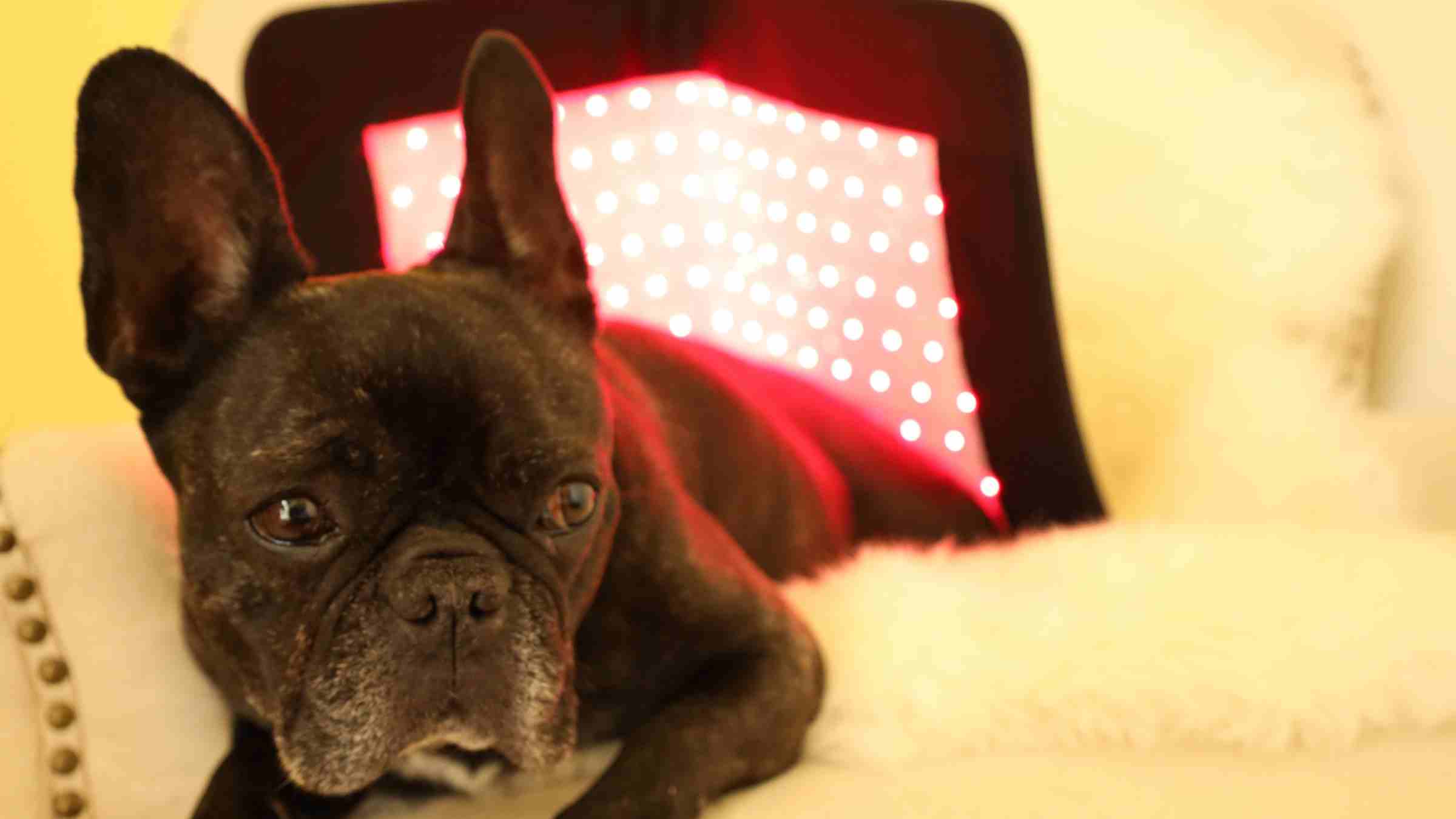
Red light therapy has actually gained appeal in human medication, its application for pet dogs is increasingly acknowledged for its potential advantages. This non-invasive therapy utilizes particular wavelengths of light, commonly in the red and near-infrared range, to boost cellular feature. The underlying principle involves the absorption of light by mitochondria, which enhances ATP manufacturing and boosts mobile metabolism.
Because of this, red light therapy promotes enhanced circulation and help in tissue repair service. The therapy is provided through devices such as lasers or LED panels, which can be directed at specific areas of a pet dog's body. Treatment sessions are generally brief, making it a convenient choice for pet owners.
Comprehending this innovation's systems can help caregivers make informed decisions regarding their canine's health and wellness treatment. As research remains to develop, the interest in red light therapy as a corresponding treatment modality for various canine problems is likely to grow.
Advantages of Red Light Therapy for Dogs
Red light therapy uses several significant benefits for dogs, consisting of effective pain relief and an accelerated healing process. This therapy can boost wheelchair and versatility, making it particularly beneficial for maturing or injured pets. As even more family pet owners look for alternate therapies, comprehending these advantages comes to be significantly essential.
Pain Relief Applications
Numerous dog proprietors are transforming to red light therapy as a promising remedy for easing pain in their animals. This non-invasive therapy utilizes certain wavelengths of light to pass through the skin, stimulating cellular activity and lowering swelling. Dogs suffering from chronic conditions such as arthritis, hip dysplasia, or post-surgical pain may experience significant alleviation through this therapy. Studies indicate that red light therapy can improve blood circulation, assisting to deliver essential nutrients to influenced locations, additionally adding to discomfort decrease. Additionally, it might help to reduce the dependence on pharmaceutical pain relievers, which usually come with unfavorable side effects. As a result, many veterinarians are progressively suggesting red light therapy as a risk-free and efficient alternative for managing pain in dogs.

Accelerated Healing Process
The advantages of red light therapy expand past pain relief, playing an essential role in increasing the recovery process for pet dogs. This ingenious treatment advertises cellular regeneration, boosting the production of ATP, which boosts energy availability for recovery tissues. In addition, red light therapy raises blood flow, causing improved oxygen and nutrient distribution to harmed areas. This enhanced flow not just help in faster recovery yet likewise minimizes inflammation, a common obstacle to healing. Additionally, the therapy encourages collagen production, critical for cells repair work and regrowth. Generally, by facilitating these organic processes, red light therapy significantly shortens healing times, allowing pet dogs to go back to their typical tasks quicker and with greater vitality.
Enhanced Mobility and Adaptability
Improved wheelchair and versatility are substantial advantages of red light therapy for dogs, especially for those struggling with joint pain or tightness. This non-invasive treatment uses specific wavelengths of light to penetrate cells, advertising increased blood circulation and minimizing swelling. Consequently, dogs typically experience remedy for discomfort connected with arthritis, hip dysplasia, or post-surgical healing. Normal sessions can stimulate mobile fixing and boost muscle function, enabling dogs to restore their natural variety of activity. Owners have reported obvious improvements in their pets' ability to run, leap, and engage in activities they once took pleasure in (Red Light Therapy Dogs). Ultimately, red light therapy not only helps ease pain however also adds to a more energetic and fulfilling way of life for pet dogs, improving their general lifestyle
Problems That Can Be Cured With Red Light Therapy
Red light therapy has actually obtained appeal in numerous fields, its application in vet care, particularly for canines, has actually shown promise in treating a variety of problems. This non-invasive treatment approach is thought to aid in easing discomfort and inflammation related to joint inflammation, assisting older pet dogs regain mobility. In addition, it has actually been utilized to assist in the recovery of injuries, burns, and surgical lacerations, promoting faster recovery times.
Skin disease, such as dermatitis and locations, may likewise react positively to red light therapy, lowering inflammation and motivating much healthier fur growth. Moreover, the therapy can be helpful for pet dogs experiencing from conditions like hip dysplasia, tendon injuries, and muscle strains. By stimulating mobile repair service and boosting flow, additional info red light therapy uses an all natural technique to improving the general well-being of pets, offering alleviation and promoting a far better lifestyle.
The Scientific Research Behind Red Light Therapy
Red light therapy operates on the concept of photobiomodulation, which involves the application of certain wavelengths of light to boost cellular procedures. These wavelengths, usually varying from 600 to 1000 nanometers, penetrate the skin and are soaked up by mitochondria, the energy-producing components of cells. This absorption improves ATP manufacturing, leading to boosted power accessibility for mobile functions.

Studies suggest that red light therapy might likewise modulate immune feedbacks and assistance overall cellular health and wellness. By utilizing these biological systems, red light therapy provides a non-invasive treatment alternative that can add substantially to a pet dog's wellness and recuperation from different conditions.
Just How to Integrate Red Light Therapy Into Your Dog's Regular
Integrating red light therapy right into a pet dog's regimen can be a straightforward procedure, gave that family pet proprietors approach it with care and uniformity. Picking an appropriate gadget is essential, as alternatives range from handheld units to larger panels (Red Light Therapy Dogs). Owners must start by introducing the therapy gradually, enabling their pets to acclimate to the light exposure. Procedure can be scheduled for around 10 to 20 minutes, preferably 2 to 3 times a week, depending on the pet dog's demands and the suggestions of a veterinarian
Establishing a comfortable atmosphere is essential; utilizing a silent room where the canine really feels relaxed can enhance the experience. Throughout the sessions, proprietors can involve their pet dogs with soothing voices or gentle petting to produce a soothing ambience. Keeping track of the canine's response is essential to assure the therapy is enjoyable and useful, ultimately assisting to boost their overall health.
Safety Considerations and Measures for Red Light Therapy
When thinking about red light therapy for canines, safety needs to always be a leading concern to assure a positive experience. Pet owners must seek advice from a vet prior to starting any type of therapy, particularly for canines with pre-existing problems or those taking medicines. It is necessary to select tools especially made for pets, here as human gadgets might not be suitable.
Correct eye protection is important; both the pet dog and the trainer should put on goggles to shield their eyes from potential injury. In addition, sessions should be kept track of closely to stay clear of overexposure. It is recommended to begin with shorter sessions and slowly enhance period based upon the dog's feedback.
Proprietors need to also observe their pet dogs for any type of indications of discomfort or unfavorable reactions during and after treatment. By following these safety factors to consider, red light therapy can be a safe and helpful option for boosting a pet dog's well-being.
Regularly Asked Questions
Just how Frequently Should I Use Red Light Therapy on My Dog?

Can Red Light Therapy Replace Conventional Veterinary Therapies?
Red light therapy must not replace traditional vet therapies. While it might complement therapies by promoting recovery and minimizing discomfort, consulting a vet continues to be essential for comprehensive care and attending to hidden wellness problems in pet dogs.
Are There Any Side Effects of Red Light Therapy for Dogs?
Red light therapy for dogs generally has very little side results, such as short-lived skin soreness or heat at the treatment website. The majority of pet dogs tolerate the therapy well, but keeping track of for any type of unusual reactions is suggested.
What Is the Suitable Duration for each and every Red Light Therapy Session?
The excellent period for each red light therapy session normally varies from 10 to 20 mins, depending on the dog's certain requirements and condition. Appointment with a vet is suggested to tailor the therapy properly.
Is Red Light Therapy Ideal for All Pet Types?
Red light therapy is normally appropriate for many pet dog types. Individual health problems and level of sensitivities might influence its applicability. Consulting a vet guarantees the therapy is helpful and secure for each particular pet.
Many pet dog owners are transforming to red light therapy as an appealing remedy for relieving pain in their animals. Boosted movement and versatility are substantial benefits of red light therapy for pet dogs, especially for those enduring from joint pain or rigidity. Red light therapy operates on the principle of photobiomodulation, which includes the application of details wavelengths of light to stimulate cellular procedures. Study shows that red light therapy can promote healing, lower swelling, and reduce discomfort in dogs. Red light therapy for canines generally has minimal side results, such as short-term skin redness or heat at the treatment site.